
Winter can be harsh on your skin, leaving it dry, flaky, and sometimes even itchy. As the temperature drops and indoor heating dries out the air, keeping your skin hydrated becomes more important than ever. Luckily, there are simple and effective ways to maintain soft, healthy skin without relying on harsh chemicals or expensive products. In this article, we’ll explore easy tips and remedies to hydrate skin in winter naturally, so you can enjoy a glowing, nourished complexion all season long.
Why Skin Needs Extra Hydration in Winter
During winter, the combination of cold outdoor air and low humidity can quickly strip your skin of its natural moisture. As a result, even people with normally healthy skin may start to notice dryness, flakiness, or irritation. On top of that, indoor heating, which keeps our homes and offices warm, often makes the air inside extremely dry.
This double effect, dry air outside and heated air inside, can leave your skin feeling tight and uncomfortable. Therefore, giving your skin extra hydration during the colder months is not just a luxury, it is essential to maintain its softness, elasticity, and overall health.
Best Natural Ways to Hydrate Skin
One of the easiest and most effective ways to keep your skin soft and nourished during winter is by using natural remedies.
Natural Oils

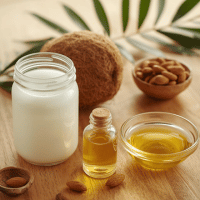
Natural oils such as coconut, olive, and almond are some of the best options for winter hydration. Coconut oil has a rich texture that deeply nourishes the skin, while olive oil is packed with antioxidants that protect the skin from environmental damage. Almond oil is lighter and absorbs quickly, making it perfect for daily use. You can apply these oils directly to your skin or mix them with your regular moisturizer for an added boost of hydration.
Honey and Milk Mask

A honey and milk mask is a gentle yet powerful way to keep your skin soft. Honey is a natural humectant, which means it draws moisture into the skin and helps retain it. Milk contains lactic acid that lightly exfoliates dry, flaky skin while soothing irritation. Together, they create a mask that hydrates, softens, and brightens your complexion naturally.
Aloe Vera Gel
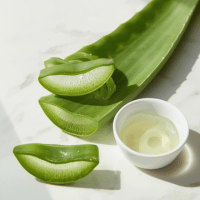
Aloe vera gel is especially useful for sensitive or irritated skin. It is lightweight, absorbs quickly, and provides instant hydration without feeling greasy. Aloe vera also has cooling and soothing properties, making it perfect for calming any redness or dryness caused by cold weather.
Natural Butters
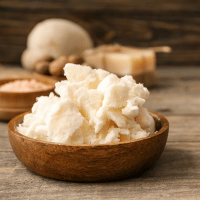
Natural butters like shea butter and cocoa butter are rich and nourishing. They form a protective barrier on the skin, locking in moisture and preventing dryness. Shea butter is particularly good for rough areas like elbows and knees, while cocoa butter can improve overall skin elasticity and leave a soft, smooth feel. These butters are ideal for nightly use or on areas that need extra care during the winter months.
Daily Winter Skincare Routine
Gentle Cleansing

Starting your day with a gentle cleansing routine is essential in winter. Harsh soaps and cleansers can strip your skin of its natural oils, making dryness worse. Instead, opt for a mild, creamy cleanser that removes dirt and impurities without leaving your skin tight or uncomfortable. This simple step sets the foundation for keeping your skin hydrated throughout the day.
Moisturizing After Shower

After showering, it is important to apply moisturizer immediately while your skin is still slightly damp. This helps lock in moisture and prevents the skin from becoming dry and flaky. Choose a rich cream or body lotion that suits your skin type, and pay extra attention to areas prone to dryness, such as elbows, knees, and hands.
Night Care Routine

Your nightly skincare routine is just as important as your morning one, especially in winter. Applying a nourishing night cream or serum before bed helps repair and restore the skin while you sleep. You can also add natural oils or butters to provide extra hydration and maintain a soft, healthy complexion. By taking a few minutes each night to care for your skin, you can wake up with a refreshed and well-moisturized face every day.
Lifestyle Tips for Hydrated Skin
Drink Enough Water
Staying hydrated from the inside is just as important as moisturizing your skin from the outside. Aim to drink at least six to eight glasses of water every day, and include herbal teas or infused water if plain water feels boring. Proper hydration helps your skin stay plump, soft, and healthy throughout the winter.
Include Healthy Fats in Your Diet
Eating foods rich in healthy fats, such as avocados, nuts, seeds, and fatty fish, can support your skin’s natural barrier and keep it moisturized. These fats provide essential nutrients that prevent dryness and promote a glowing complexion.
Use a Humidifier
Indoor heating can dry out the air, which directly affects your skin. Using a humidifier in your bedroom or living space adds moisture to the air, helping your skin stay hydrated and preventing irritation or flakiness.
Avoid Hot Showers
While a hot shower may feel comforting in cold weather, it can strip your skin of natural oils and make dryness worse. Opt for lukewarm water instead, and always apply moisturizer immediately afterward to lock in hydration.
Common Mistakes to Avoid
- Over-washing Your Skin
Washing your face or body too frequently can strip away natural oils, leaving your skin dry and irritated. Instead, stick to gentle cleansing once or twice a day, especially during winter, to maintain a healthy moisture balance. - Using Harsh Soaps or Cleansers
Strong soaps or cleansers with chemicals can damage your skin’s protective barrier. Opt for mild, cream-based cleansers that gently remove dirt without causing dryness or redness. - Skipping Moisturizer
Some people think moisturizer is unnecessary in winter, but skipping it can make dryness worse. Always apply a moisturizer immediately after cleansing or showering to lock in hydration. - Ignoring Sunscreen
Even in winter, UV rays can damage your skin. Many people forget sunscreen when it’s cold, but applying a broad-spectrum SPF daily helps protect your skin from long-term damage and keeps it healthy. - Neglecting Night Care
Nighttime is when your skin repairs itself. Skipping a night cream or serum means missing an opportunity to restore moisture and nutrients. A simple night routine can make a noticeable difference in skin hydration and overall health.
FAQs about Hydrate Skin in Winter
How can I keep my skin hydrated during winter?
To keep your skin soft and moisturized in winter, use natural oils, hydrating masks, and rich creams. Drinking enough water and avoiding very hot showers also helps maintain hydration throughout the day.
Which natural remedies work best to hydrate skin in winter?
Some of the most effective natural remedies include coconut, olive, and almond oils, honey and milk masks, aloe vera gel, and natural butters like shea and cocoa. These ingredients nourish the skin, lock in moisture, and soothe dryness.
Is it necessary to change my skincare routine in winter?
Yes. Winter air and indoor heating can dry out your skin, so it is important to adjust your routine by using richer moisturizers, gentle cleansers, and hydrating masks more frequently.
Can drinking water really improve skin hydration?
Absolutely. Staying hydrated from the inside supports your skin’s natural barrier, helping it remain soft, plump, and healthy even in cold, dry weather.
How do I hydrate skin in winter naturally without harsh chemicals?
You can easily hydrate skin in winter naturally by following simple steps like using natural oils, aloe vera gel, honey and milk masks, and protective butters, combined with lifestyle habits like drinking water and using a humidifier.
Should I still use sunscreen in winter?
Yes. Even though it is colder, UV rays are still present and can damage your skin. A broad-spectrum SPF helps protect against long-term damage while keeping skin healthy.
Conclusion
Winter can be tough on your skin, but with the right care, it doesn’t have to be. By using natural remedies, following a gentle routine, and staying hydrated from the inside out, you can keep your skin soft, healthy, and glowing all season long. Remember, consistency is key, and small daily habits make a big difference.